Product 01
3D Printing
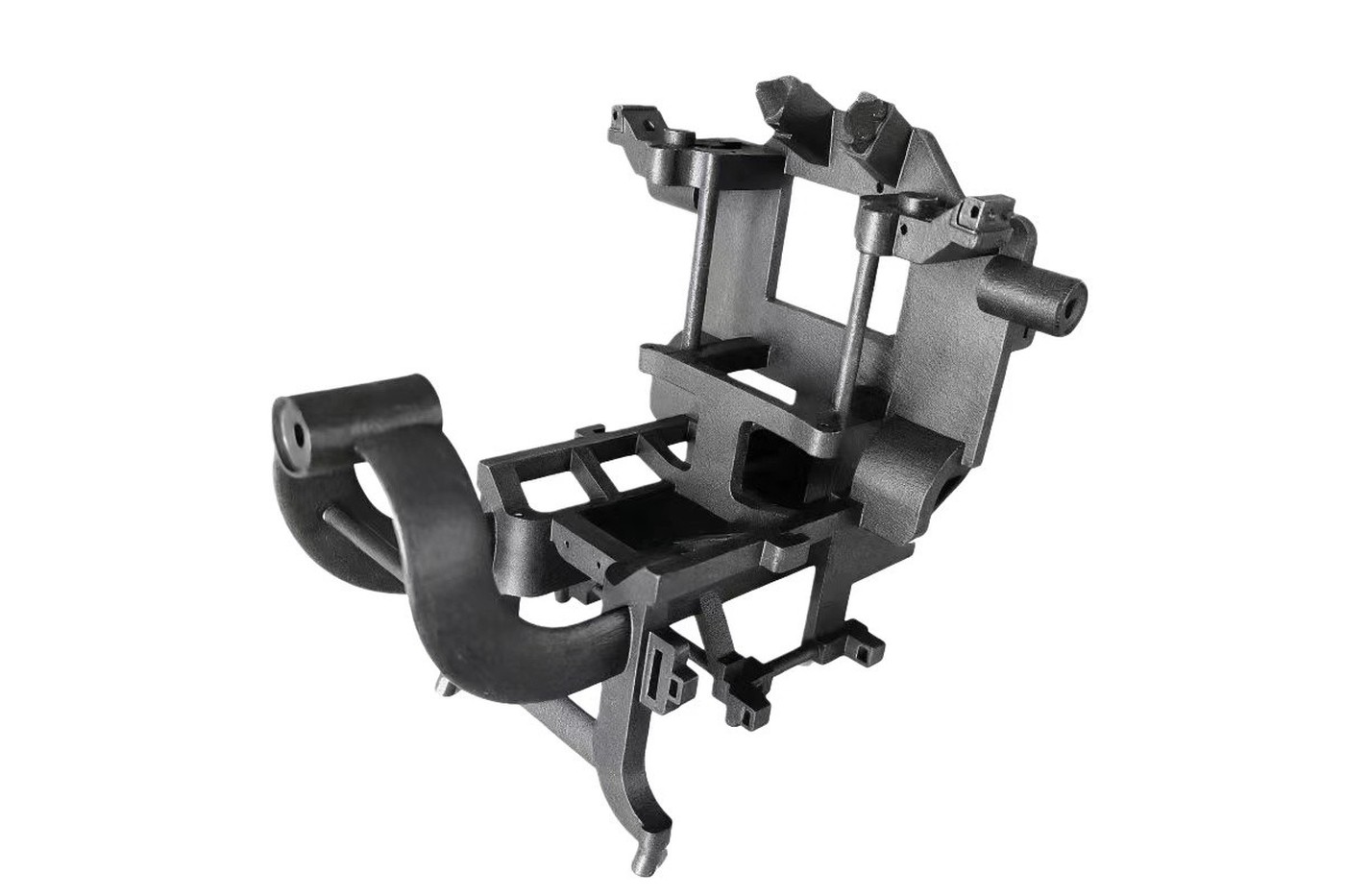
SLS and MJF nylon from a single piece: snap fits, living hinges and ducting that no mould could release.
Explore 3D printing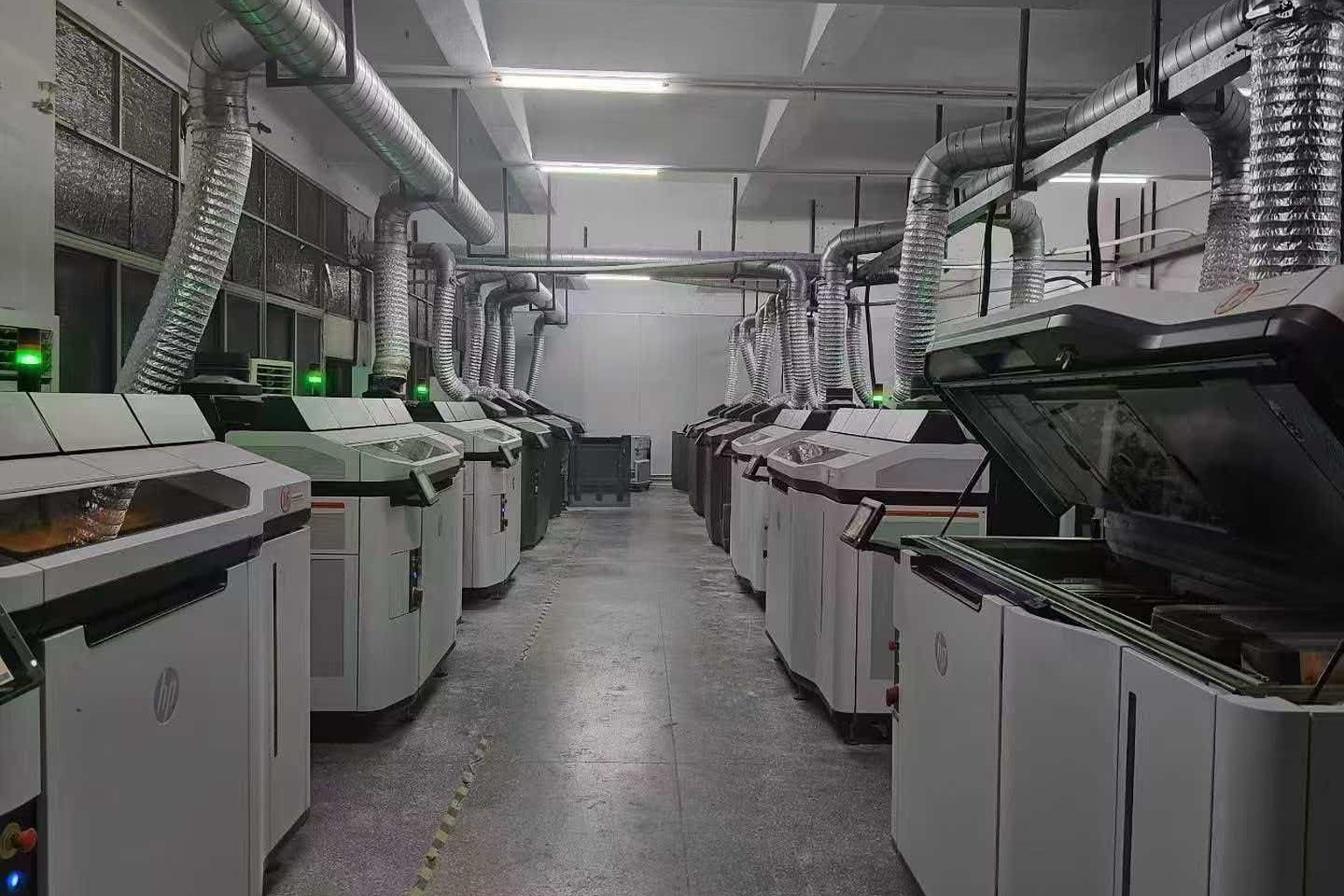
3D printing · Vacuum casting · CNC · Dongguan, since 2018
Nylon printing, silicone casting and CNC machining under one roof — for buyers who get judged on the surface and on the bore: colour-matched PU, water-clear lenses, textured housings, machined metal to ±0.05 mm.
A manufacturability read and a firm number the next working day — STL, STEP or a phone photo is enough.
50,000+
Parts delivered
Cast, printed and finished in-house
12 machines
SLS & MJF printers
PA12, PA11, glass-filled
1,500 m²
Plant in Dongguan
Casting, printing and finishing
ISO 9001
Quality system
Inspection report with every batch
24 hours
Quoting & DFM
Free manufacturability review
Three product lines
One plant covers all three routes, which means the process gets chosen on the part rather than on what a supplier happens to own.
SLS and MJF nylon from a single piece: snap fits, living hinges and ducting that no mould could release.
Explore 3D printing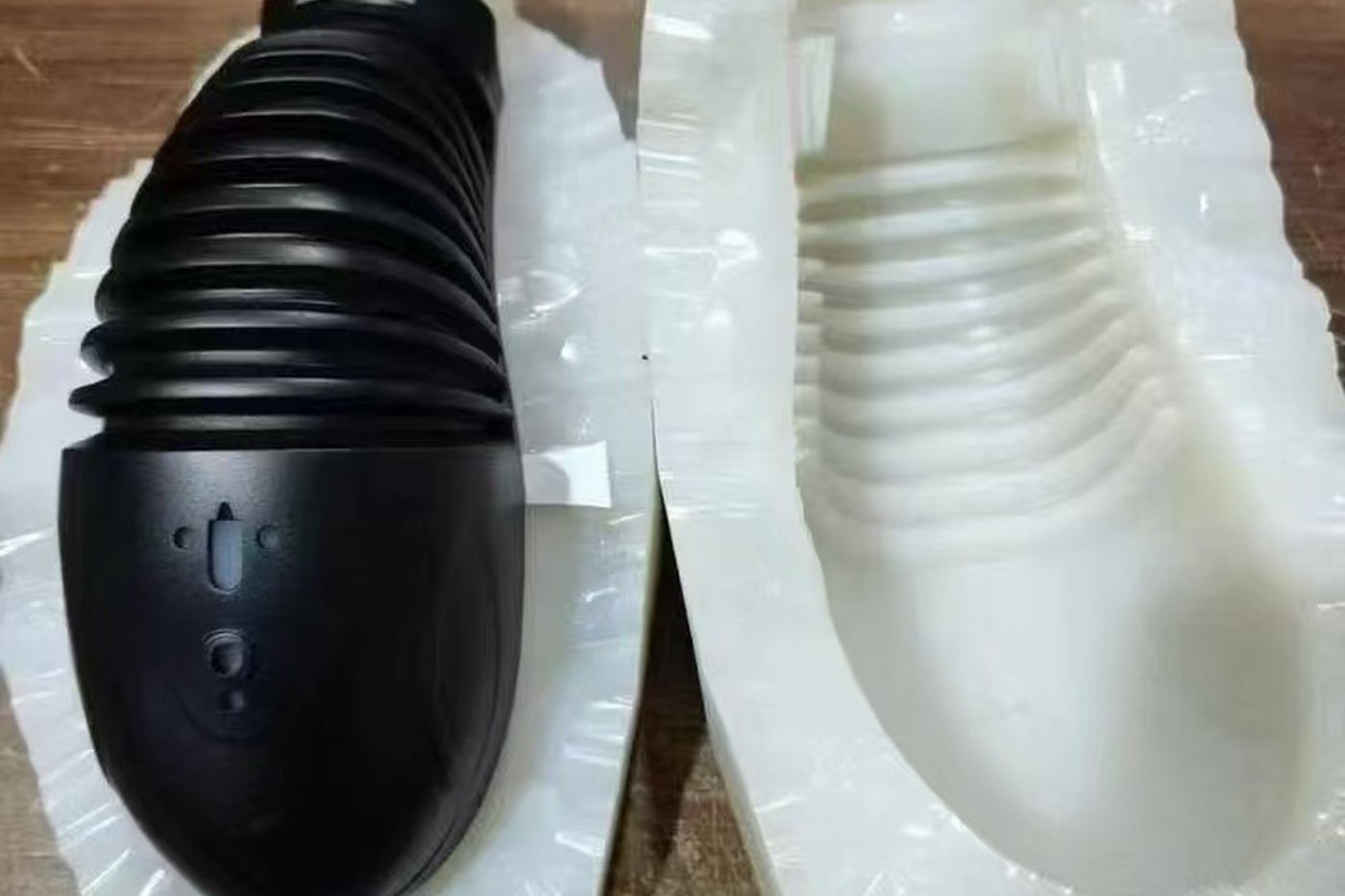
Silicone moulds and PU resins for 10–500 parts, with colour and texture approved on a plaque first.
Explore vacuum casting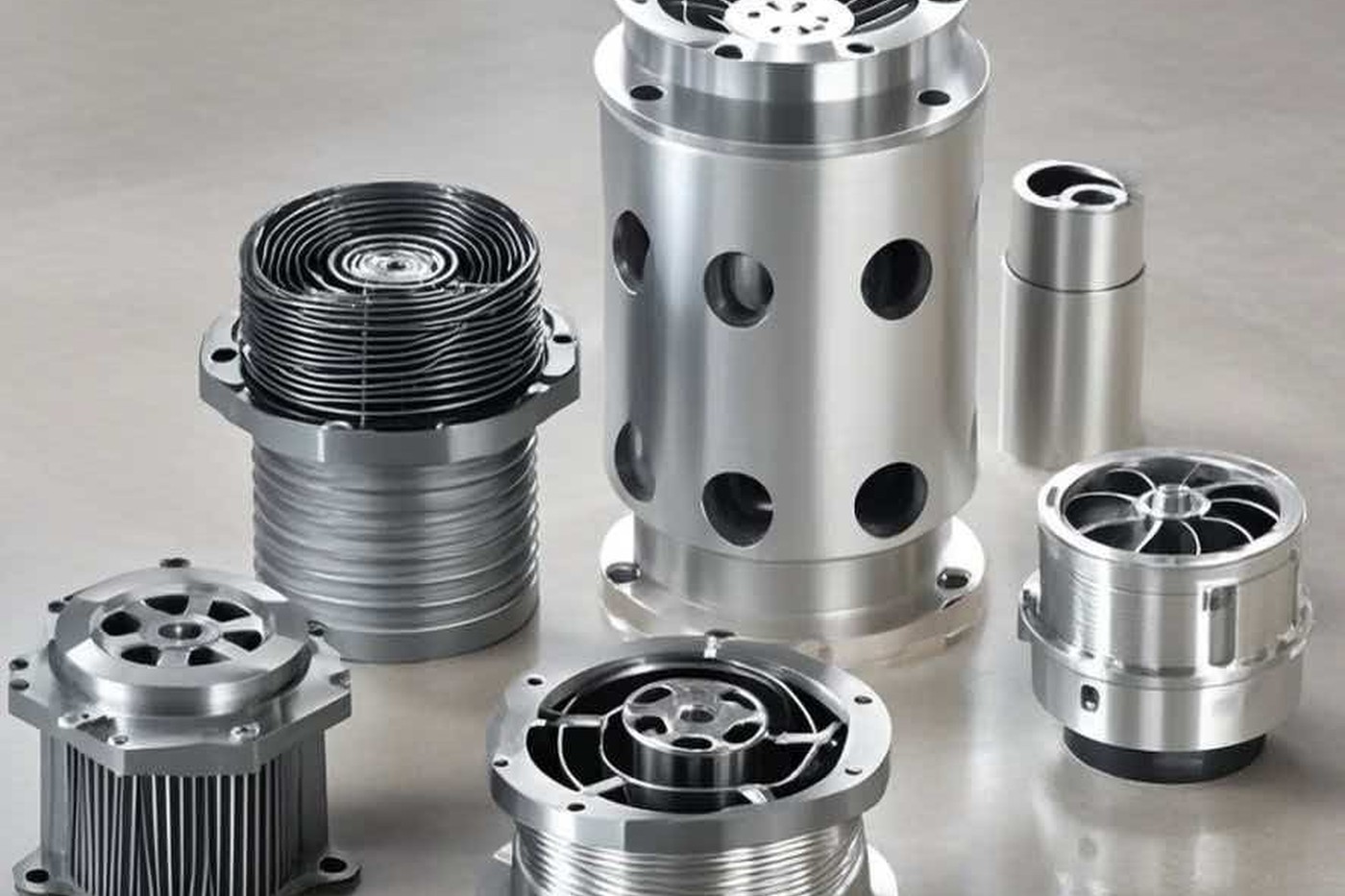
Three- to five-axis milling and turning in aluminium, stainless, brass and engineering plastics to ±0.05 mm.
Explore CNC machiningRecent projects
Anyone can hit a dimension. These six were decided by clarity, colour or texture — a lens that had to pass light, a cap that had to match a Pantone chip, a housing that had to hide its parting line.
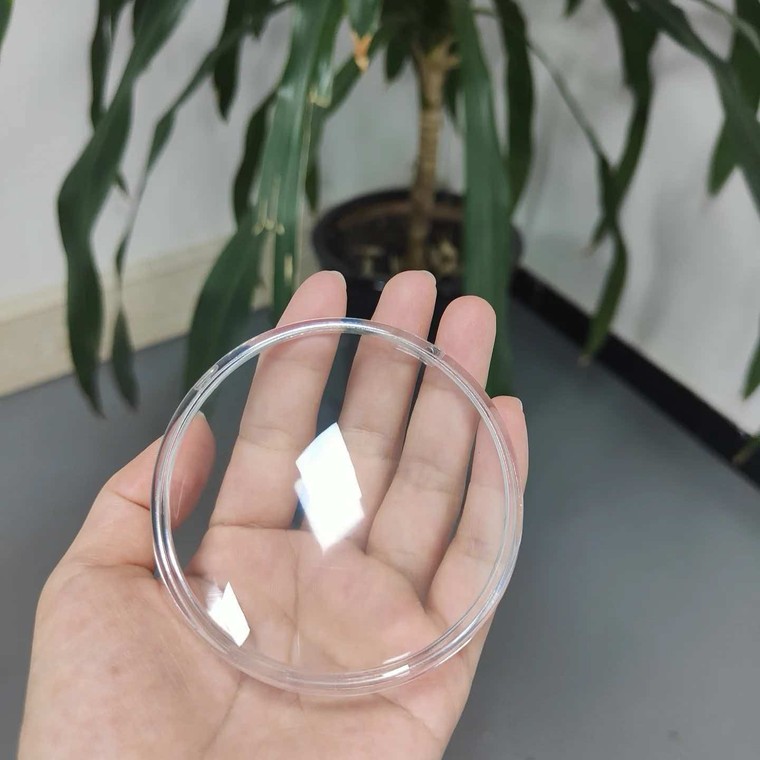
A 1967 lamp lens, yellowed and cracked, rebuilt from a scan: printed master, polished, cast water-clear.
Read the case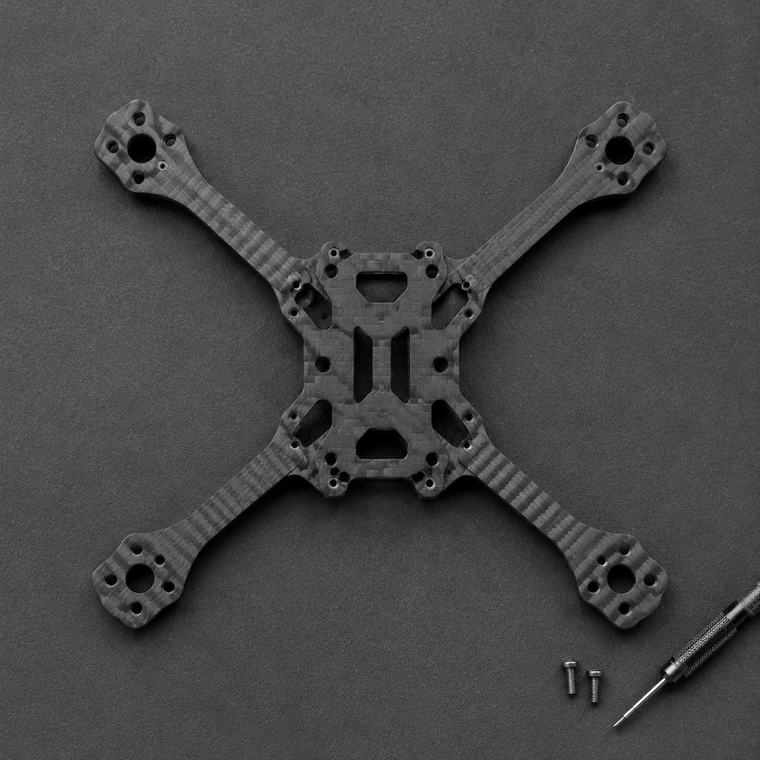
Carbon-filled arms and printed mounts at 96 g, reworked twice before anyone paid for tooling.
Read the case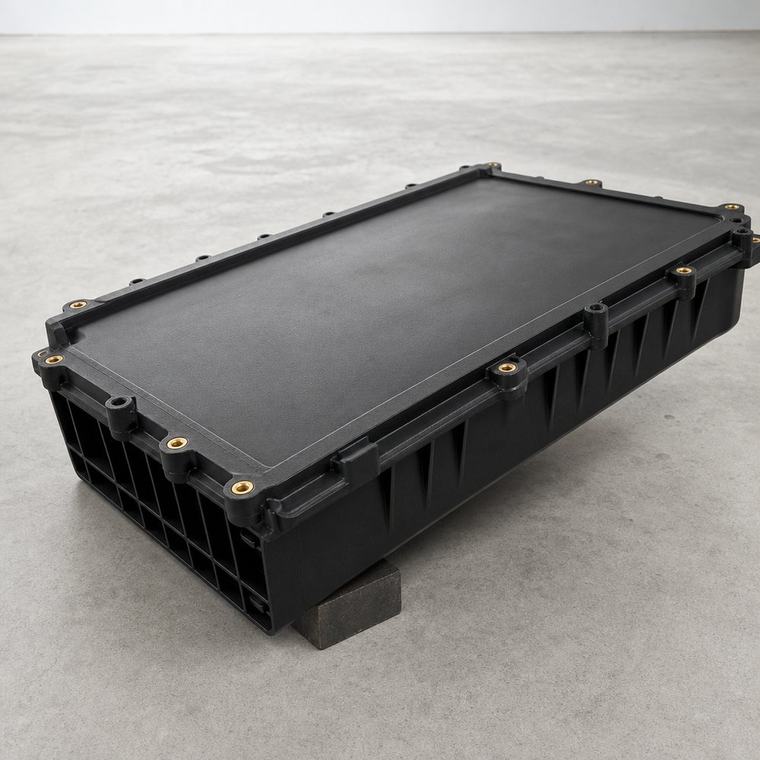
Two dozen packs for cold-weather trials, each pressure-checked, on a truck in sixteen days.
Read the case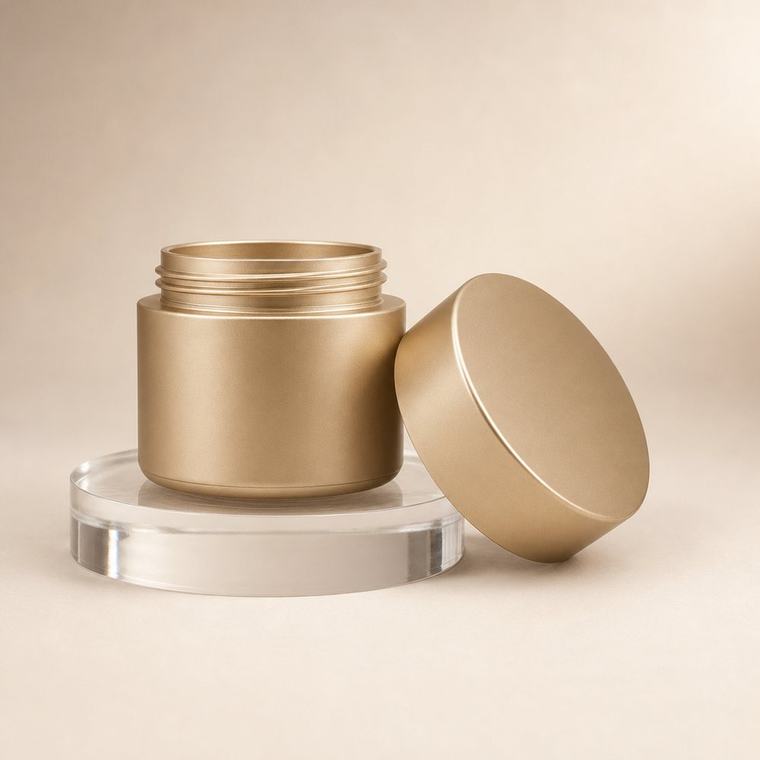
Thirty presentation sets in matte champagne, matched to ΔE 1.1 while the tool was still a drawing.
Read the case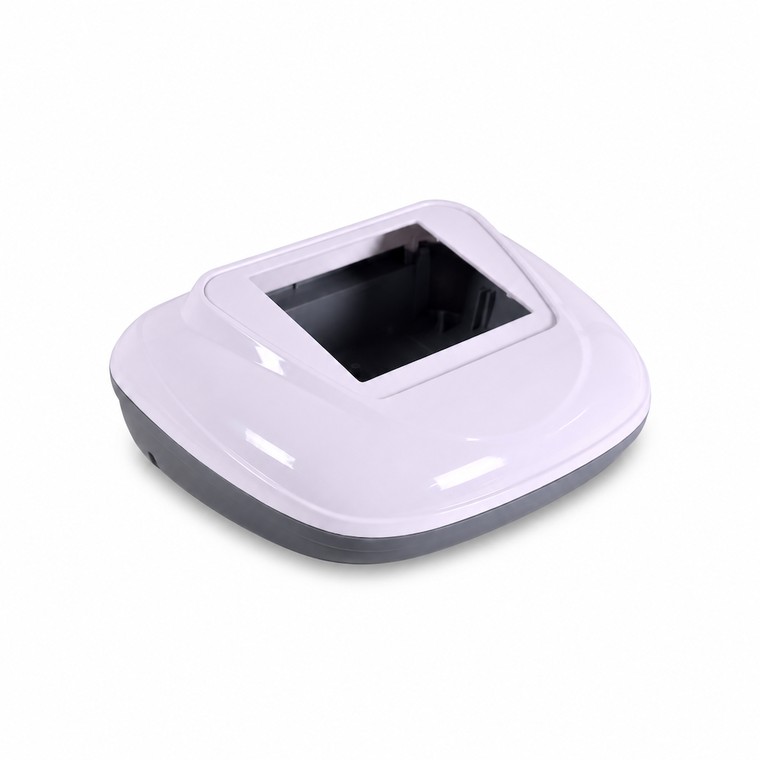
Biocompatible resin and machined channels for a forty-unit build ahead of clinical review.
Read the case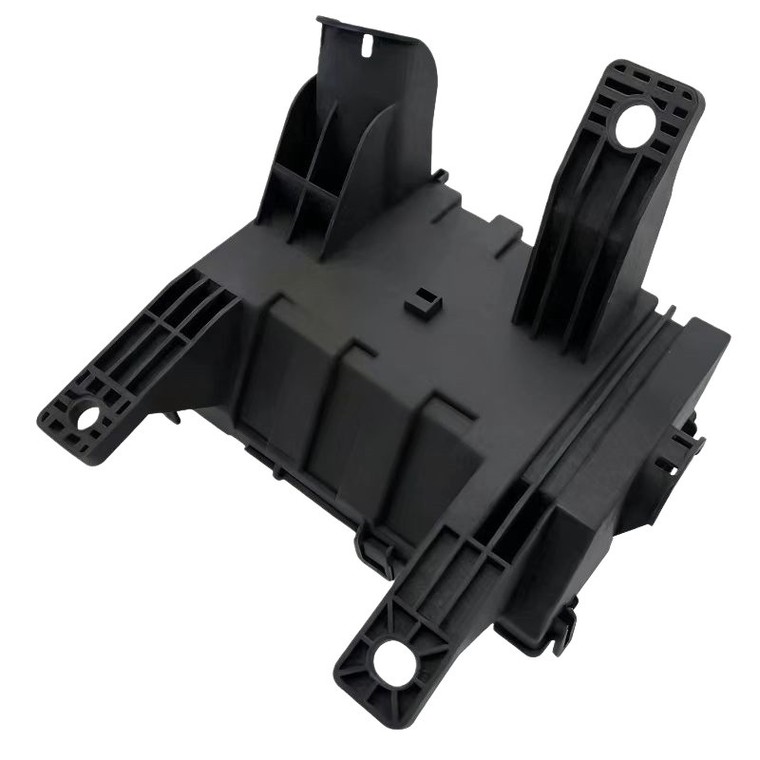
An obsolete bracket with a worn bore, re-made in glass-filled nylon around a machined bush.
Read the caseWhere we get asked
Same bench, same calipers — whether the buyer is an EV startup proving a pack or a cosmetics brand approving a cap.
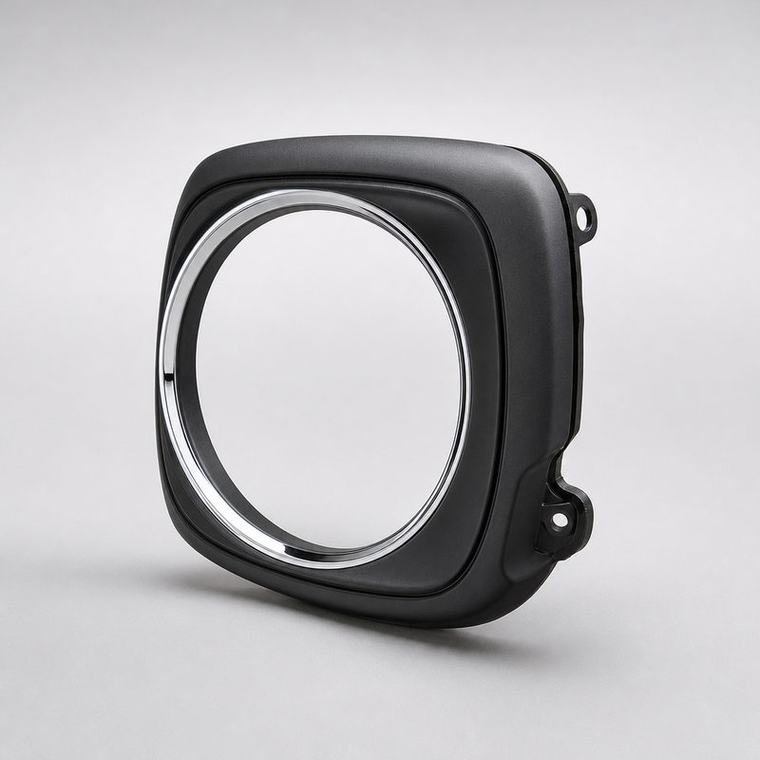
Bezels and trim where the grain has to line up across a parting line.
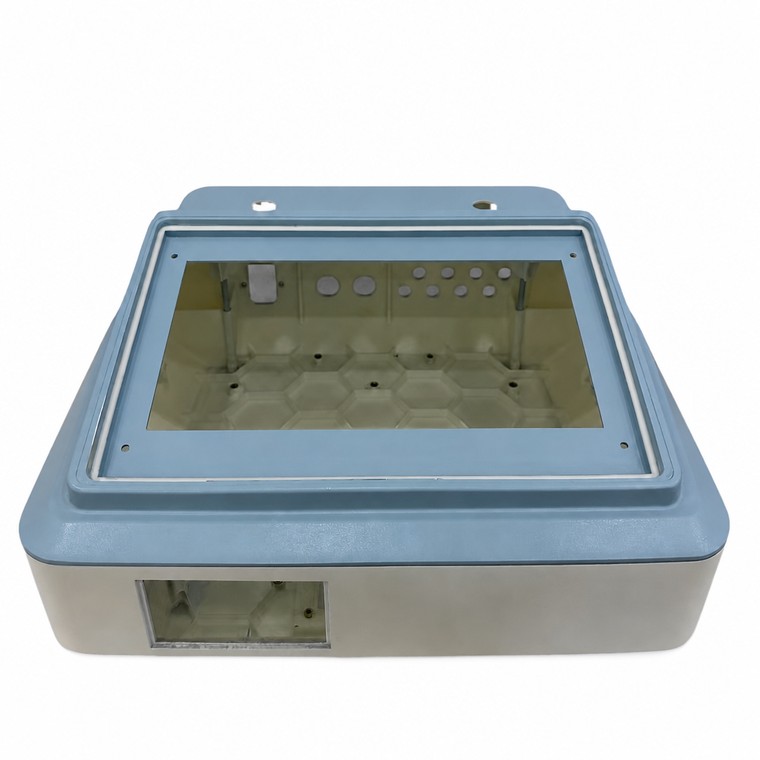
Housings and manifolds in biocompatible resin, channels machined after casting.
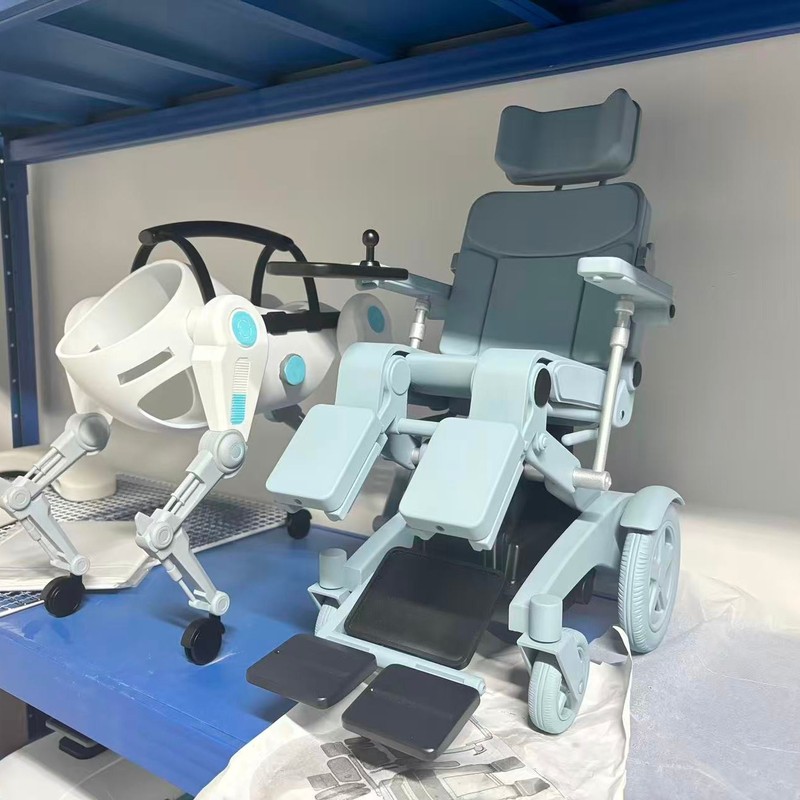
Airframe arms and gearbox mounts that have to stay stiff and stay light.
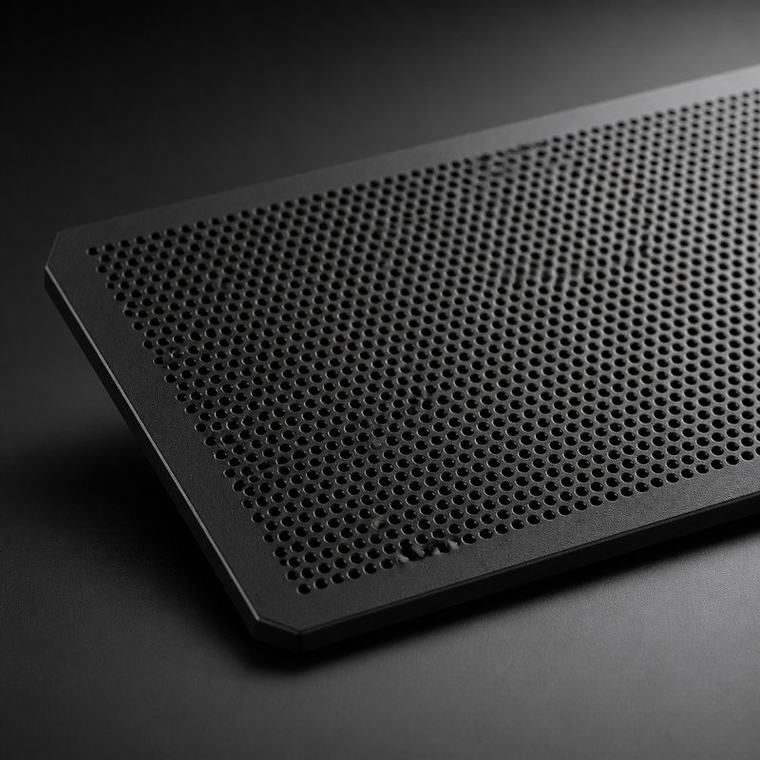
Grilles and shells where a visible texture hides the flow marks.
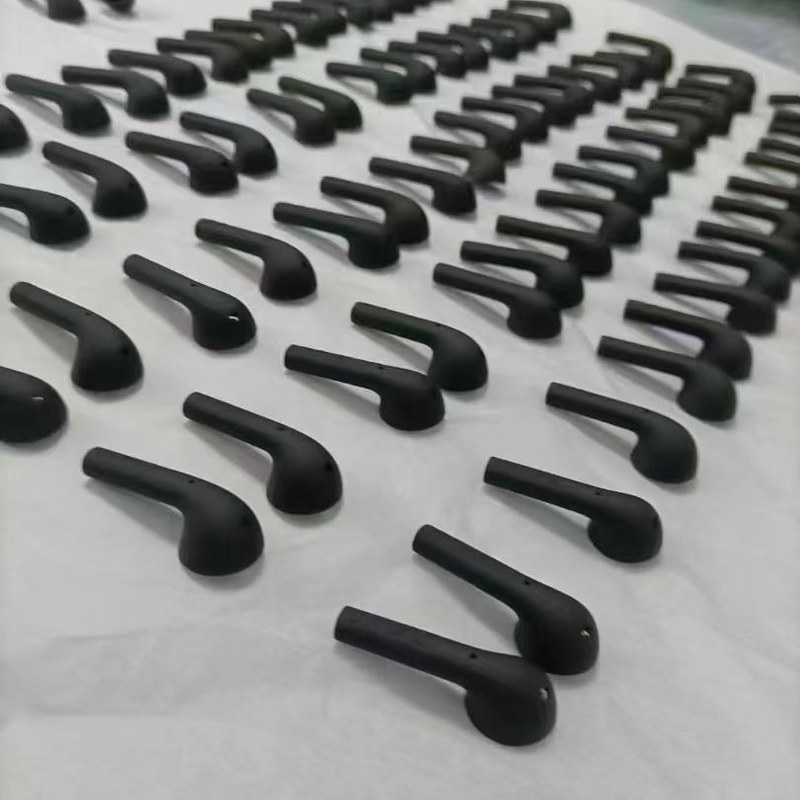
Cases and housings with a soft-touch skin that survives pocket wear.
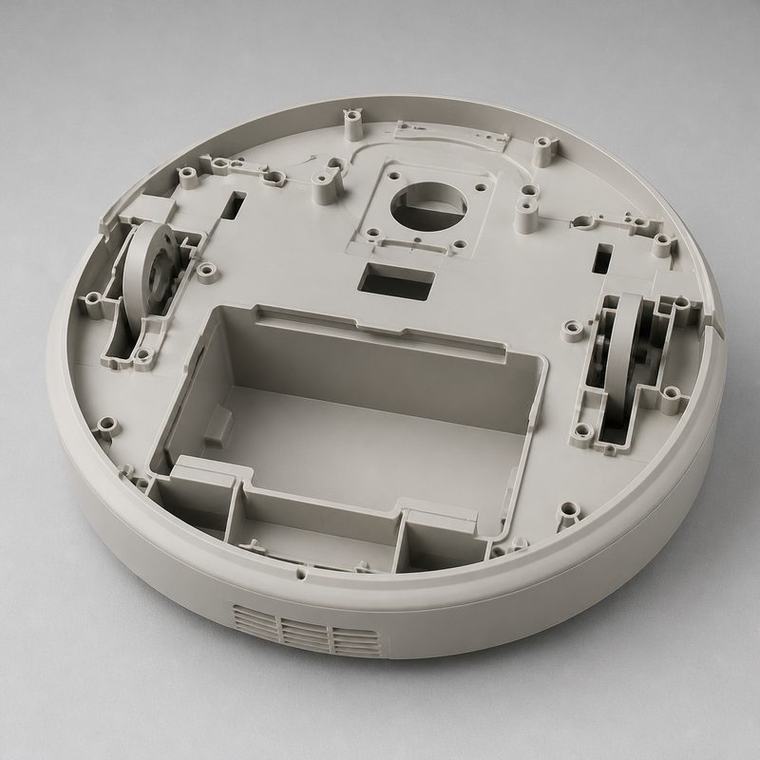
Chassis and bins in ABS and PC, drafted for a clean release.
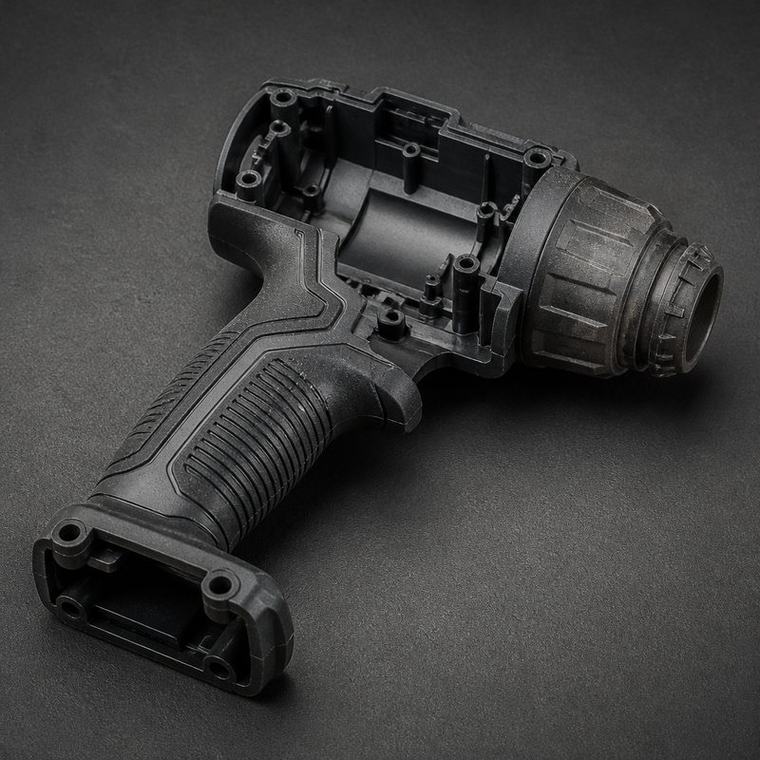
Housings and grips in glass-filled nylon, overmoulded in TPE.
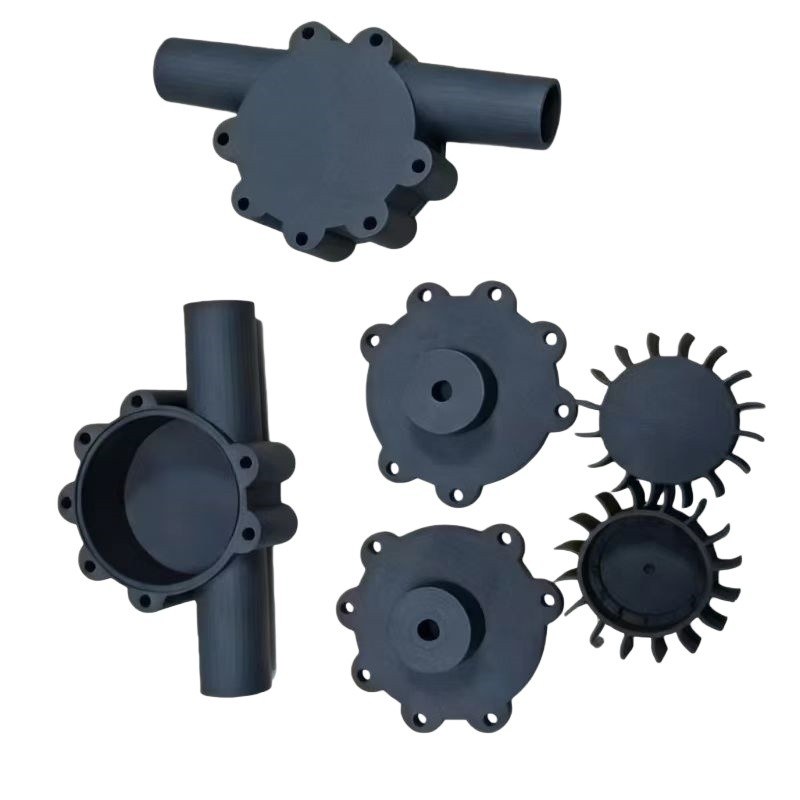
Pump bodies and gear covers, cast for one-offs and reprinted for spares.
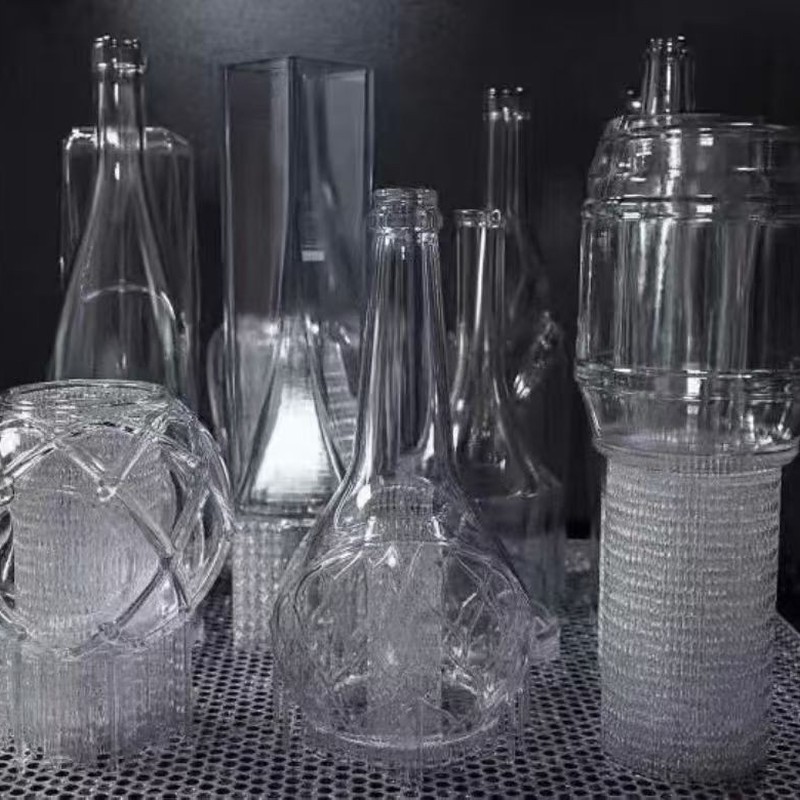
Bottle bodies and closures, frosted or soft-touch coated.
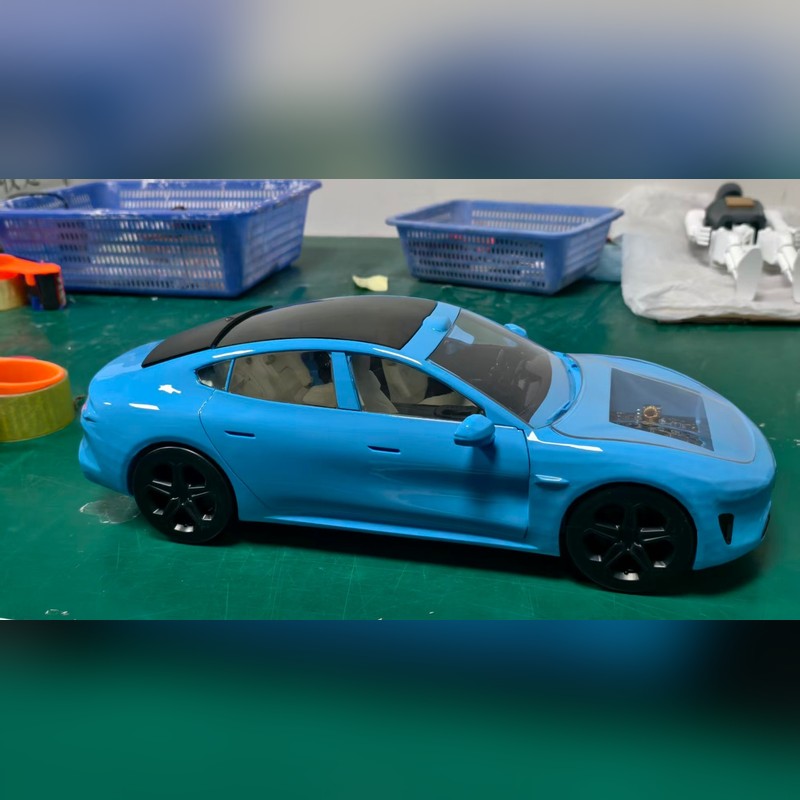
Model bodies and sprues that need crisp shut lines at 1:24.
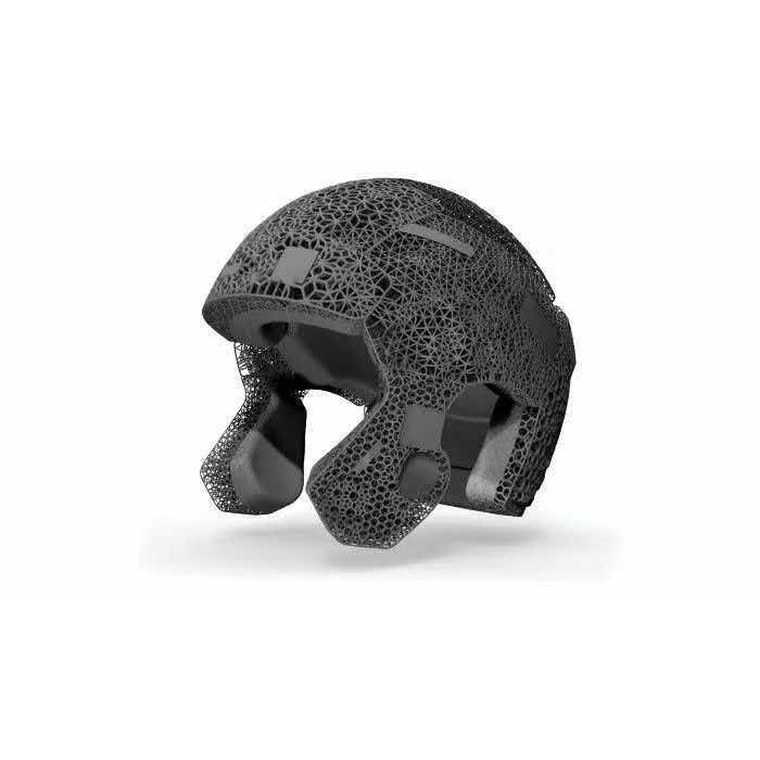
Shells and buckles in impact-grade material, with vents that read clean.
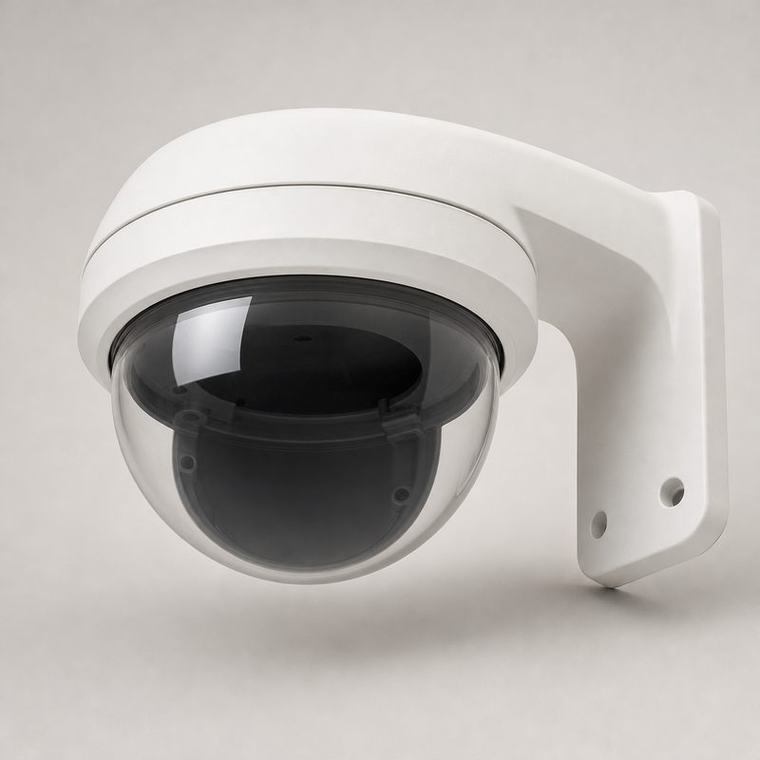
Domes and bezels in UV-stable PC, finished so the seam disappears.
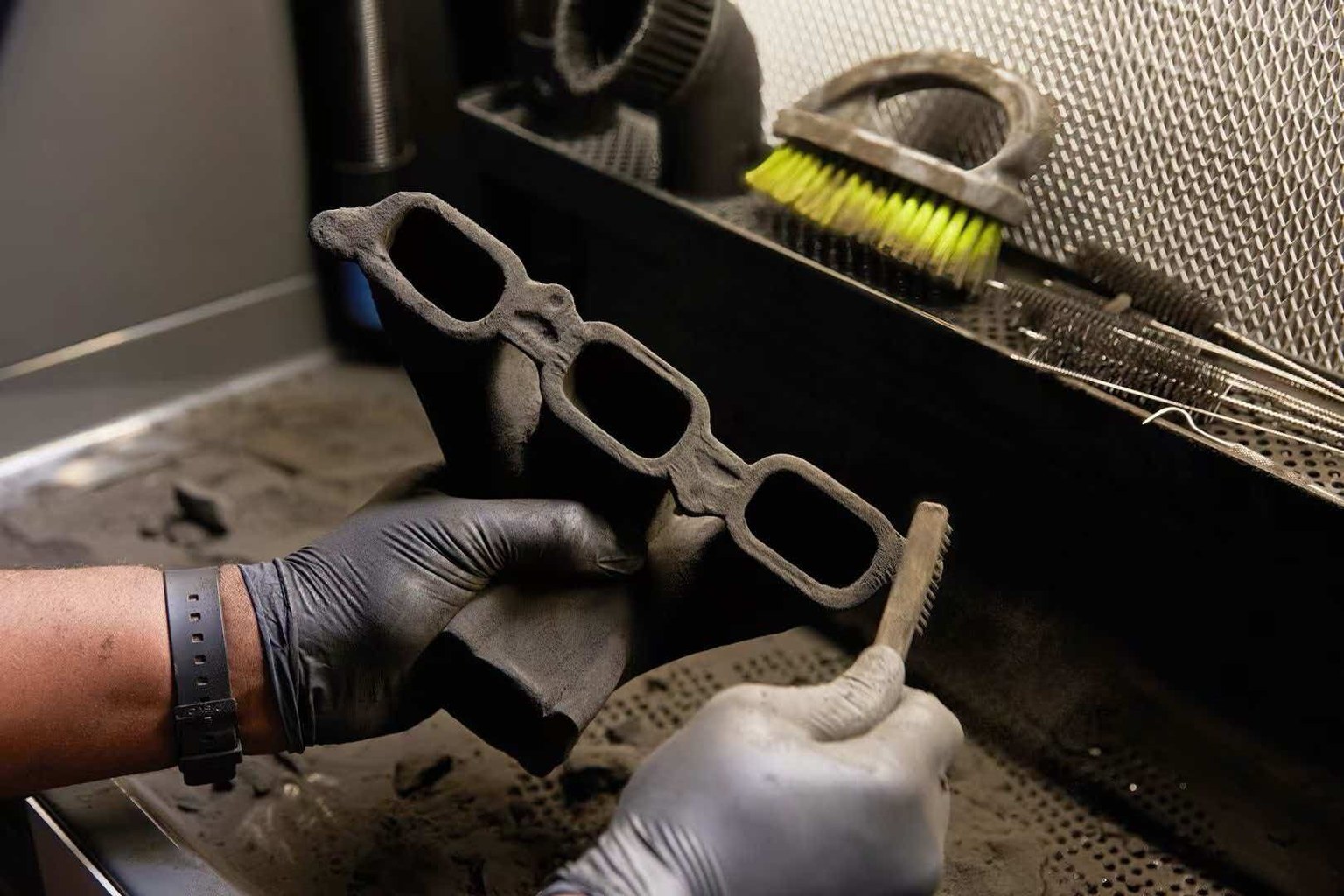
Why this shop
A cosmetic part fails for reasons a dimensional report never catches: a shade that drifts between shots, a texture that shows the mould cut, a clear casting that yellows. We quote those risks up front, then run colour plaques, texture coupons and light-transmission checks before the batch starts.
How an order runs
No account, no minimum order value, no sales sequence. You get a manufacturability read and a number, then the bench takes over.
STEP or STL plus the finish you are matching: a Pantone chip, a texture sample, a gloss value, or a photo of the part it must sit next to.
We flag what will fight the surface — thin walls, deep draws, undercuts, gate marks — and price the batch with those risks already costed in.
The master is polished to the spec before silicone is poured. Colour plaque and texture coupon are approved before the run.
Colour, gloss, texture and fit verified under D65, photographed, then packed with the measurement report.
Field notes
What we learn at the bench about shade drift, texture wear and the parts that come back — written for the person who signs the approval.
Six lines make it up, and only two move with quantity. The other four are where the argument happens.
Shrinkage creeps and the cut line opens shot by shot. Read the drift early enough to pour a second block.
Five minutes of review decides whether a nylon part quotes at six euros or twenty-six.
Start a project
Too small for a moulder, too pretty for a machine shop, no CAD because it is the only one left. Those are the jobs we are set up for.

Fields marked * are required. We reply within one business day.