Pricing
Reading the number a shop sends you
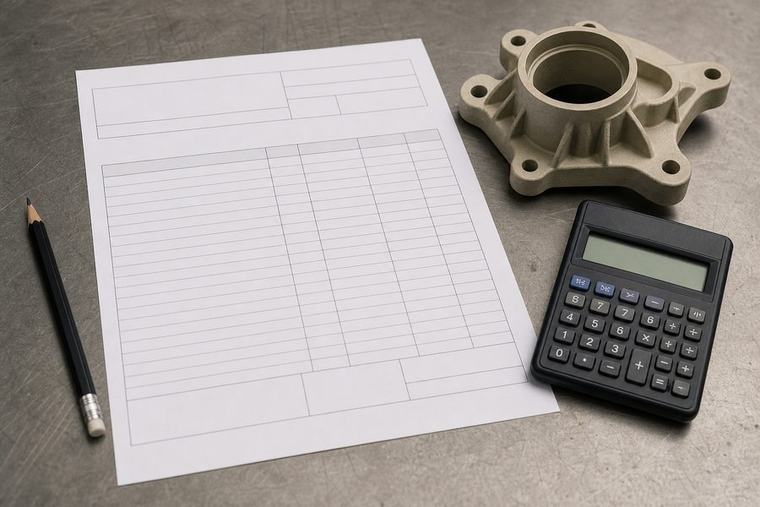
Six lines make up the price, and only two of them move with quantity. The other four are where the argument actually happens.
Read the article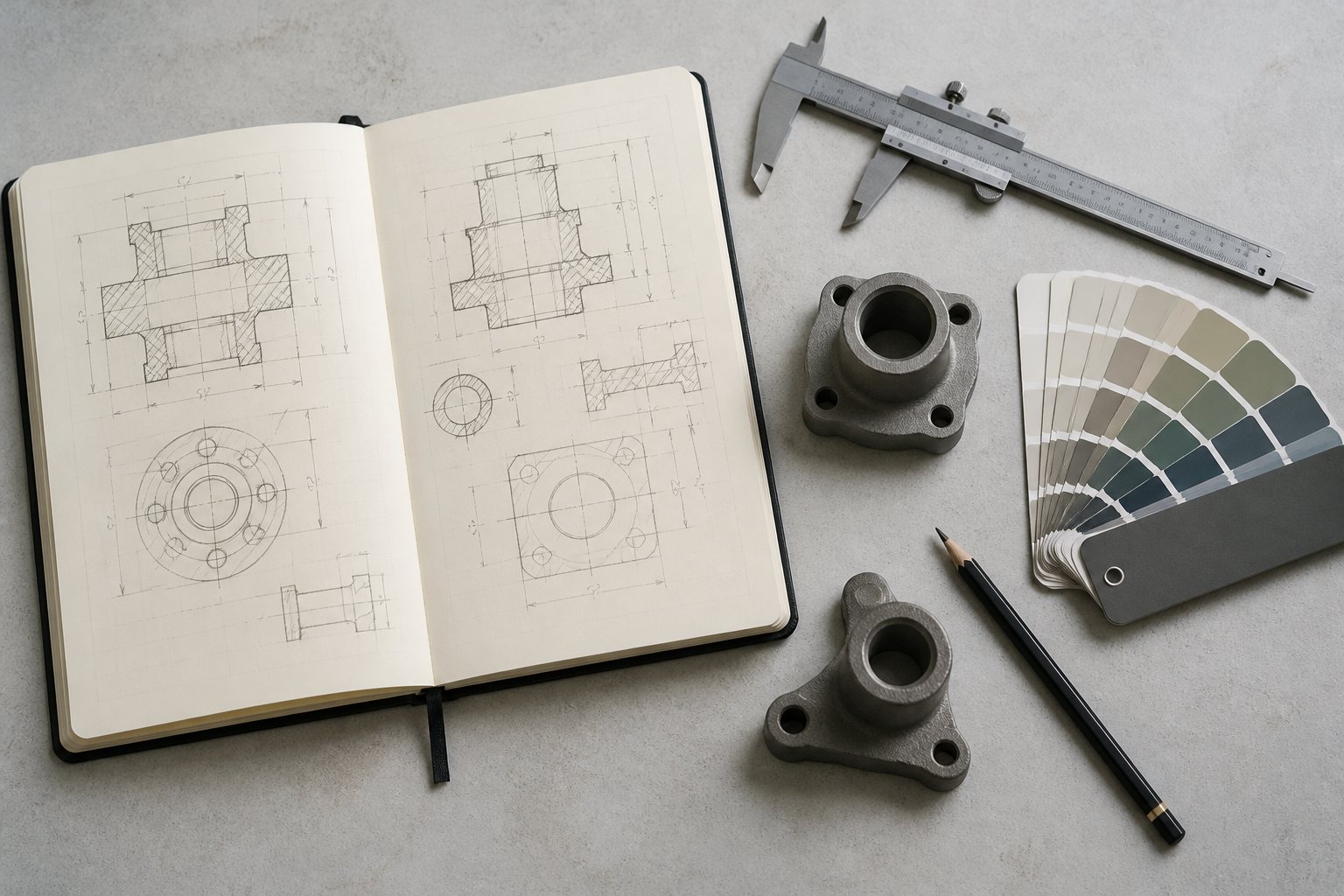
Insights
Short, practical writing on cost, tool wear and the decisions buyers get challenged on in review meetings.
Longer pieces on the three things that decide a job: the price, the tool, and the drawing.
Six lines make up the price, and only two of them move with quantity. The other four are where the argument actually happens.
Read the article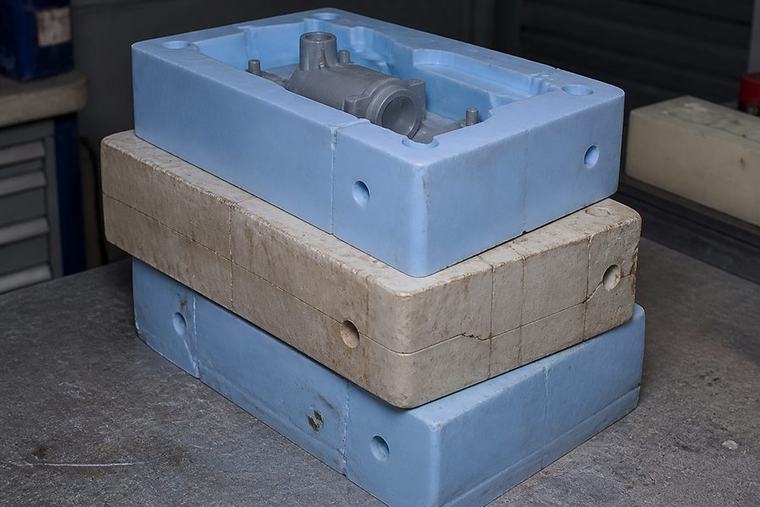
Every shot shaves a little material and the parting line widens. Reading that drift early is what keeps the last ten parts sellable.
Read the article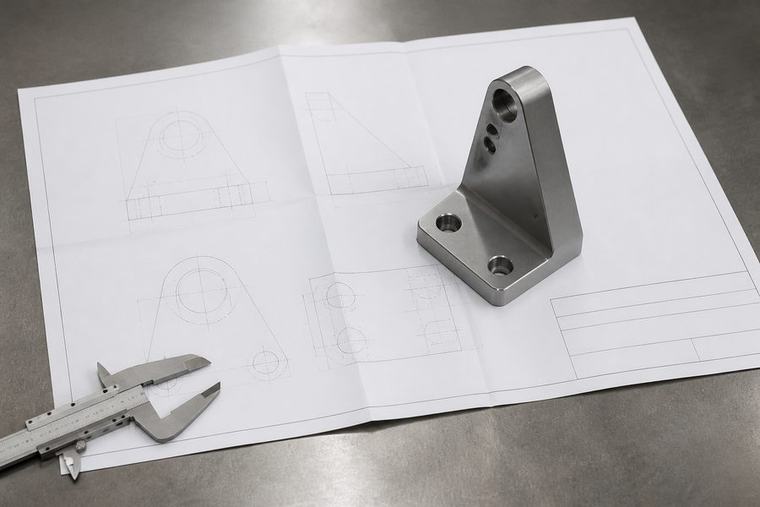
Five minutes of review decides whether a nylon part quotes at six euros or twenty-six.
Read the article
Mix ratio, pot life and humidity all move the cure window. What looks like a bad batch is usually a bad mix.
Ask about resin grades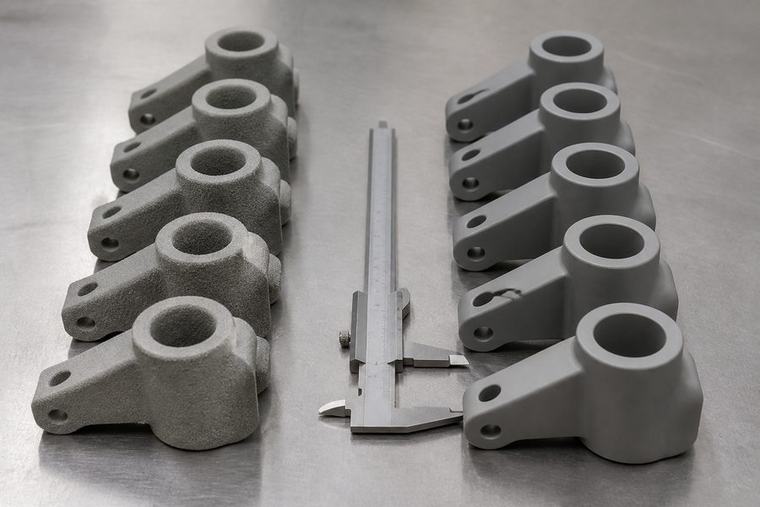
The crossover is not a fixed number. It depends on nesting, on how much post-finishing the surface needs, and on how tight the tolerance callout is.
Compare the processes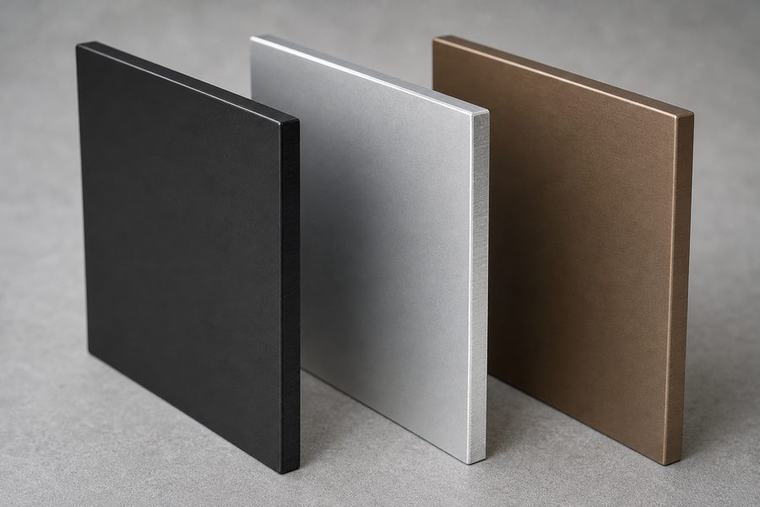
Dye closes small pores and opens others. A machined edge will always read darker than a face, and no rack position fixes that.
See finish tolerances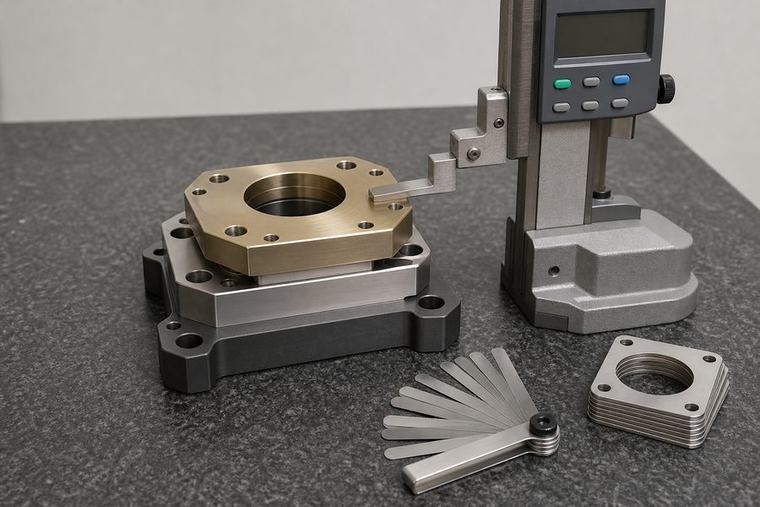
Three parts each inside their own limit can still miss an assembly. The stack is decided by the datum you chose, not by the numbers you signed off.
See machining limitsOne observation each — the kind of thing that only shows up on the bench.
The same paint reads two shades lighter on a D-2 grain than on a polished face. Approve the plaque with the texture on it, or you are approving the wrong surface.
A brass insert in a cast wall holds by hoop stress. Too thin a boss, or too hot a melt, and it will spin on the third assembly.
A quote is fast. A first article in 24 hours means the machine was free, the material was in stock and nobody asked for a colour match.
