Automotive
Painted grille section
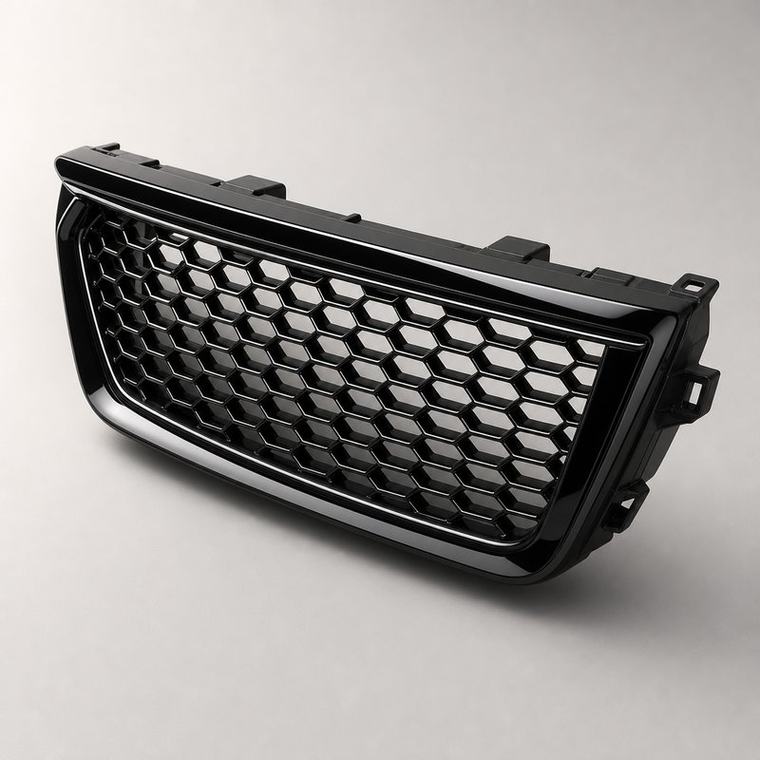
A honeycomb grille cast in one piece and painted gloss black, with the mesh crisp enough that no one asks how it was made.
Ask about this part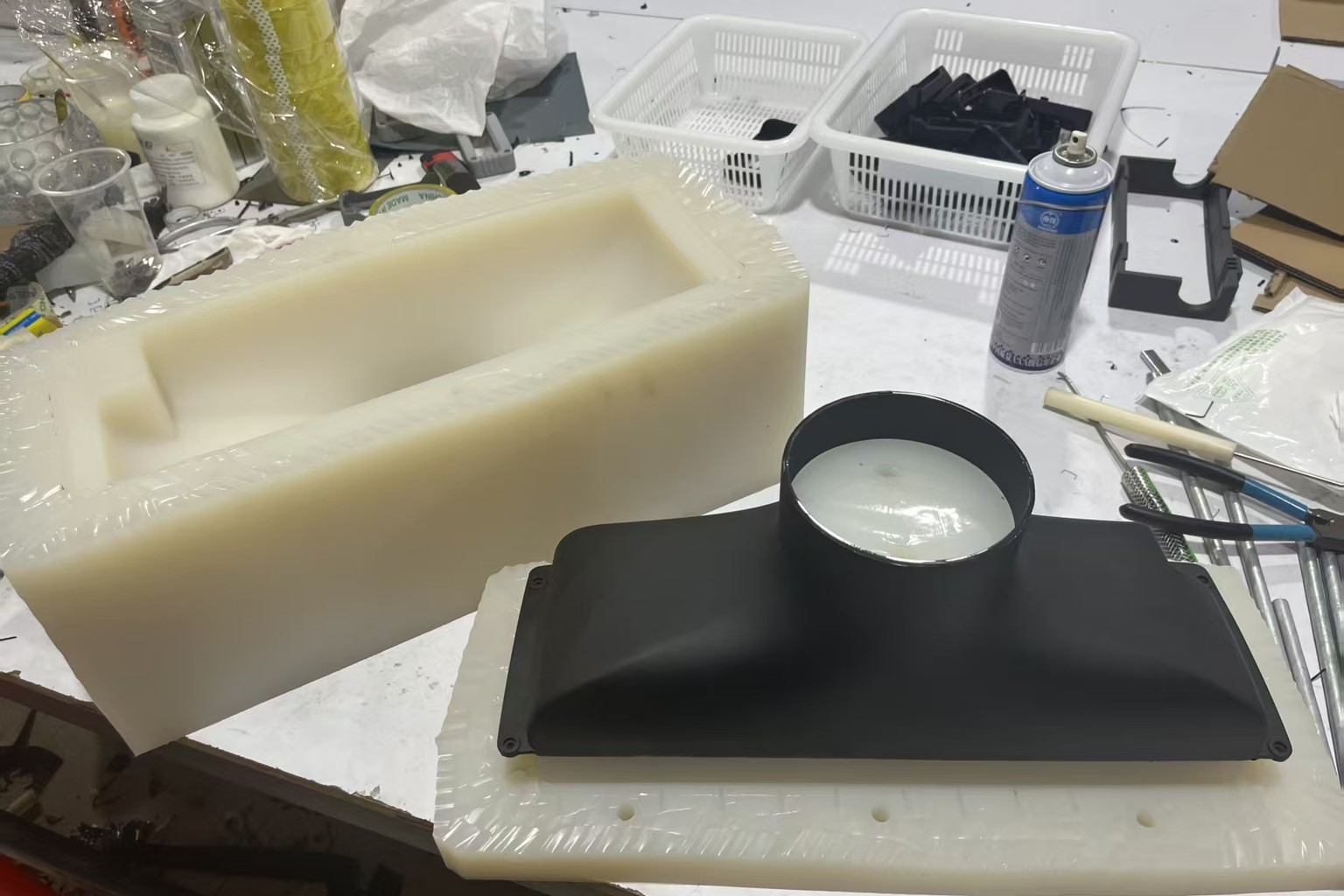
Silicone vacuum casting
A printed or machined master is suspended in silicone, the block is cut open, and PU resin is cast under vacuum. Ten to five hundred parts with colour, gloss and texture held to a measured target.
Where cast parts earn their keep
Casting wins where the part will be looked at: a painted grille, a soft-touch cap, a housing that has to match a chip. The silicone transfers the master finish exactly, so what you approve is what you get.
A honeycomb grille cast in one piece and painted gloss black, with the mesh crisp enough that no one asks how it was made.
Ask about this part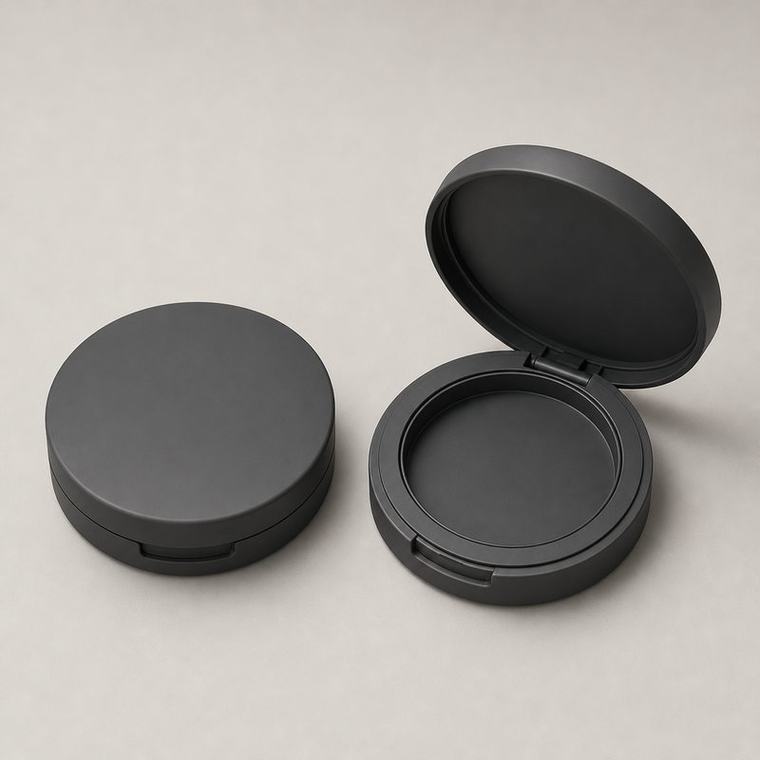
Charcoal soft-touch coating over a cast body, matched to a brand chip and approved on a plaque before the mould was poured.
Ask about this part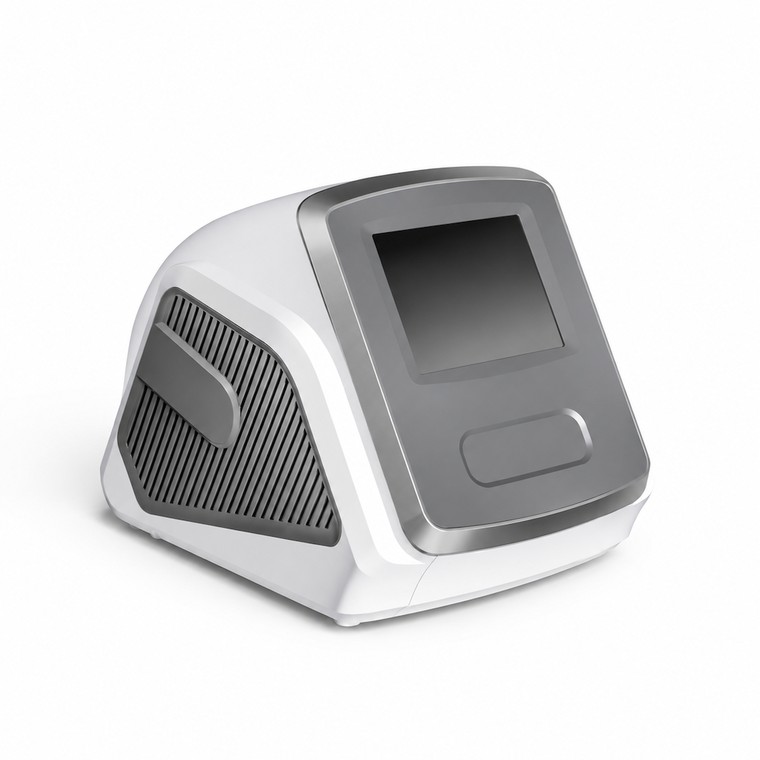
Biocompatible resin shell with a silicone membrane, produced as a trial build ahead of clinical review rather than a full mould.
Ask about this part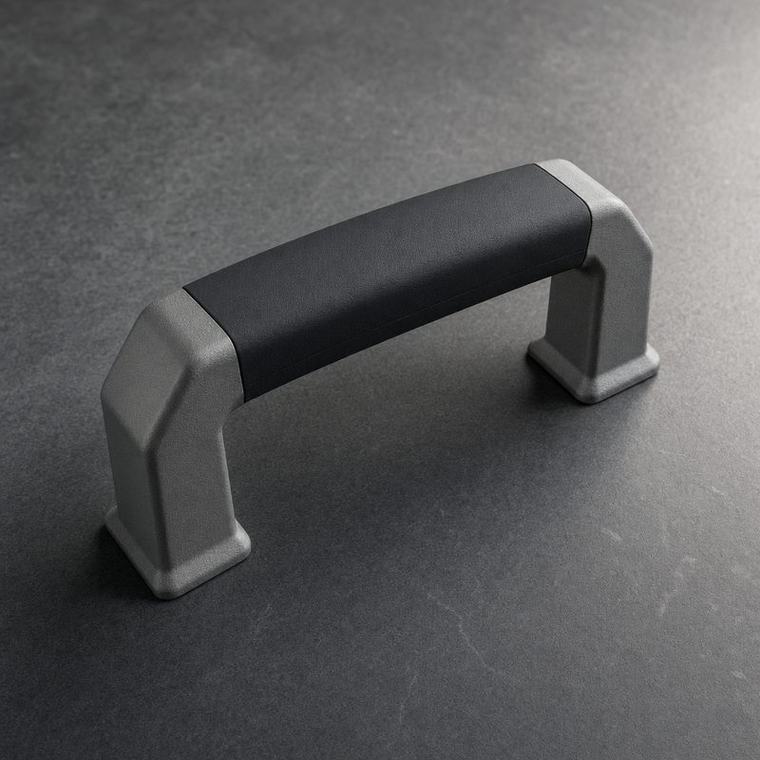
A rigid cast body with a TPE band cast over it, so the texture change happens in one part instead of two glued together.
Ask about this part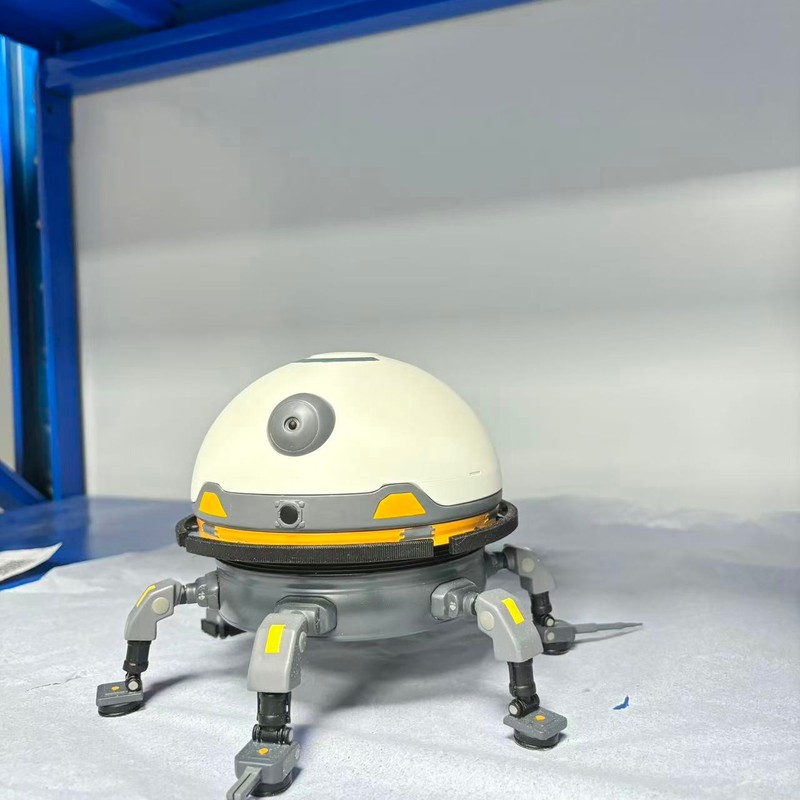
A half-metre shell for a trade stand, printed as a master and cast in two halves for a seamless painted finish.
Ask about this part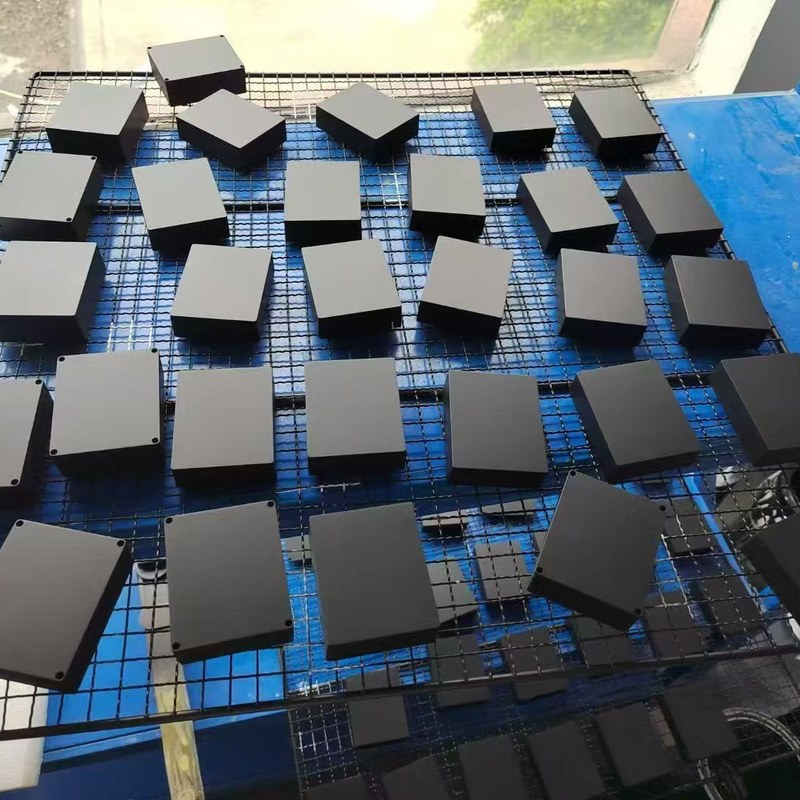
A batch of identical covers shipped while the steel tool was still being quoted, so the launch date stopped depending on the toolmaker.
Ask about this part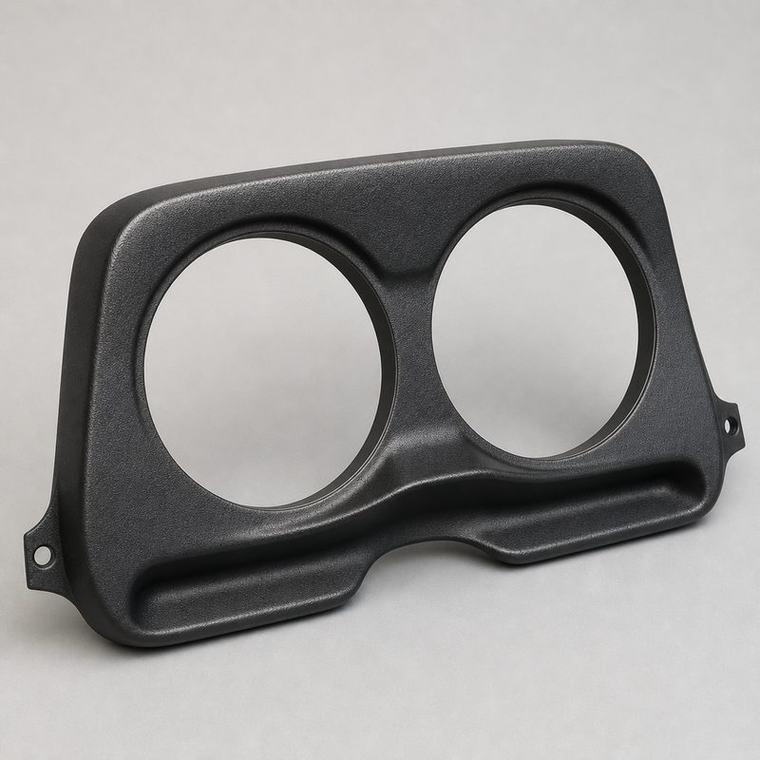
A grained bezel with two dial apertures, matched to the texture of the door trim so the two parts read as one interior rather than two suppliers.
Ask about this part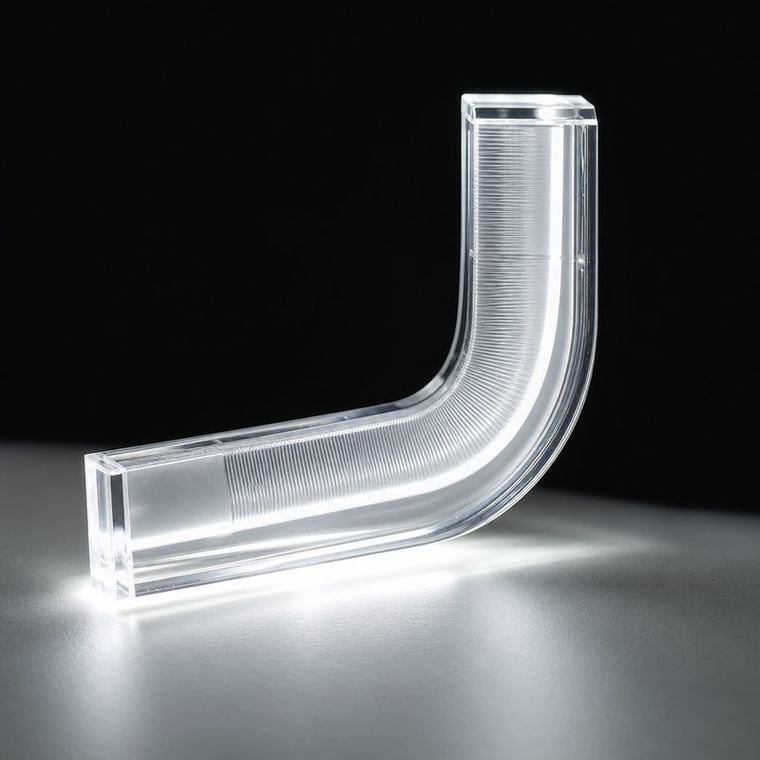
Clear PU cast over a stepped master, spreading LED light evenly across 120 mm with no hot spot at the source and no visible step in the glow.
Ask about this part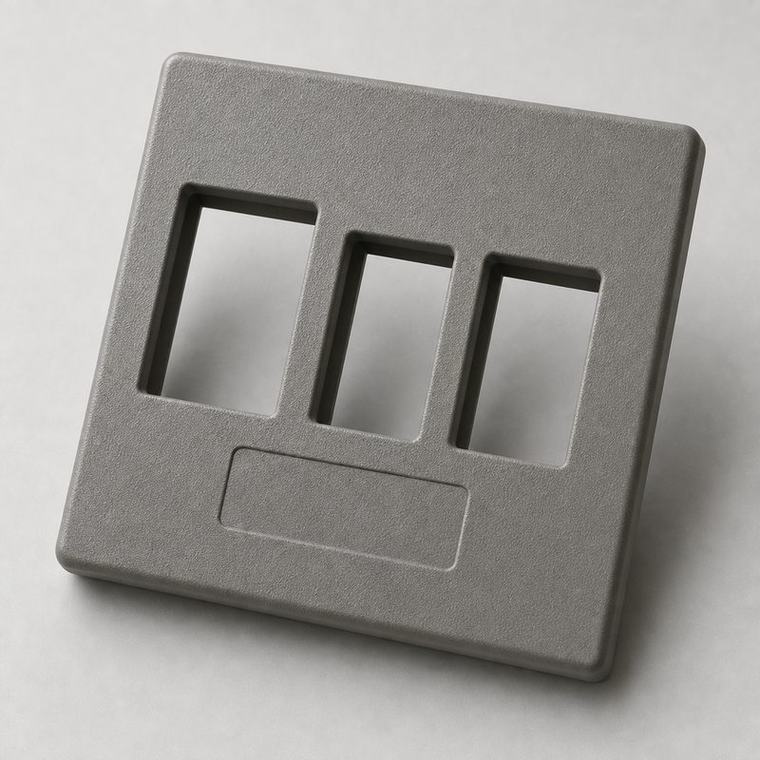
Leather grain cut into the master, painted warm grey, with three apertures that keep their edge definition through the paint film instead of rounding off.
Ask about this part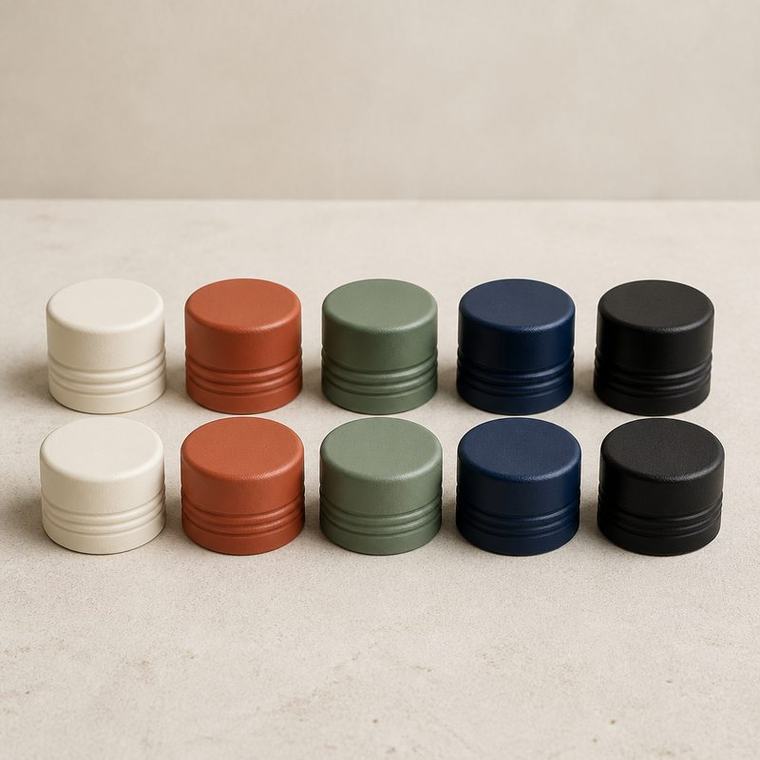
Forty caps across five shades in one batch, each colour approved on its own plaque before any mold was poured, so a late change costs paint, not tooling.
Ask about this part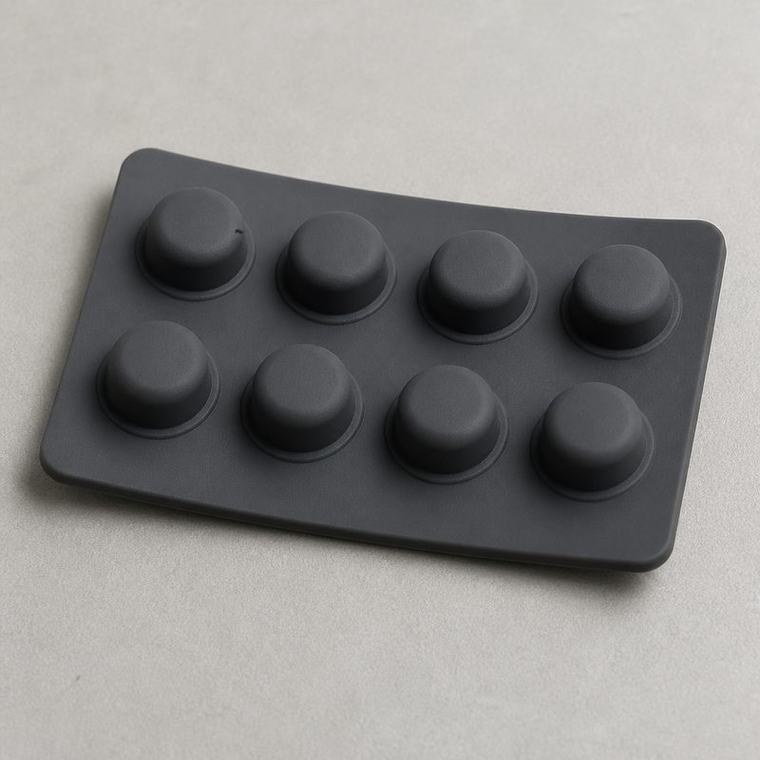
A single cast membrane with eight domed keys, in a shore hardness chosen so the click is still felt through a work glove.
Ask about this part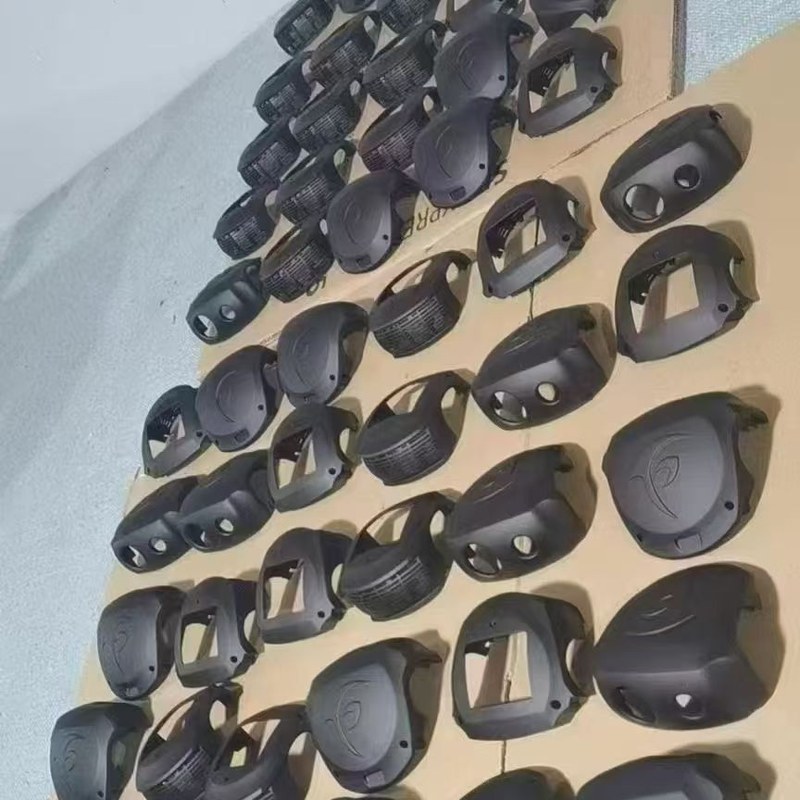
A 400 mm half shell cast in a two-part block, with the parting line routed to a hidden edge so nothing shows on the face anyone looks at.
Ask about this part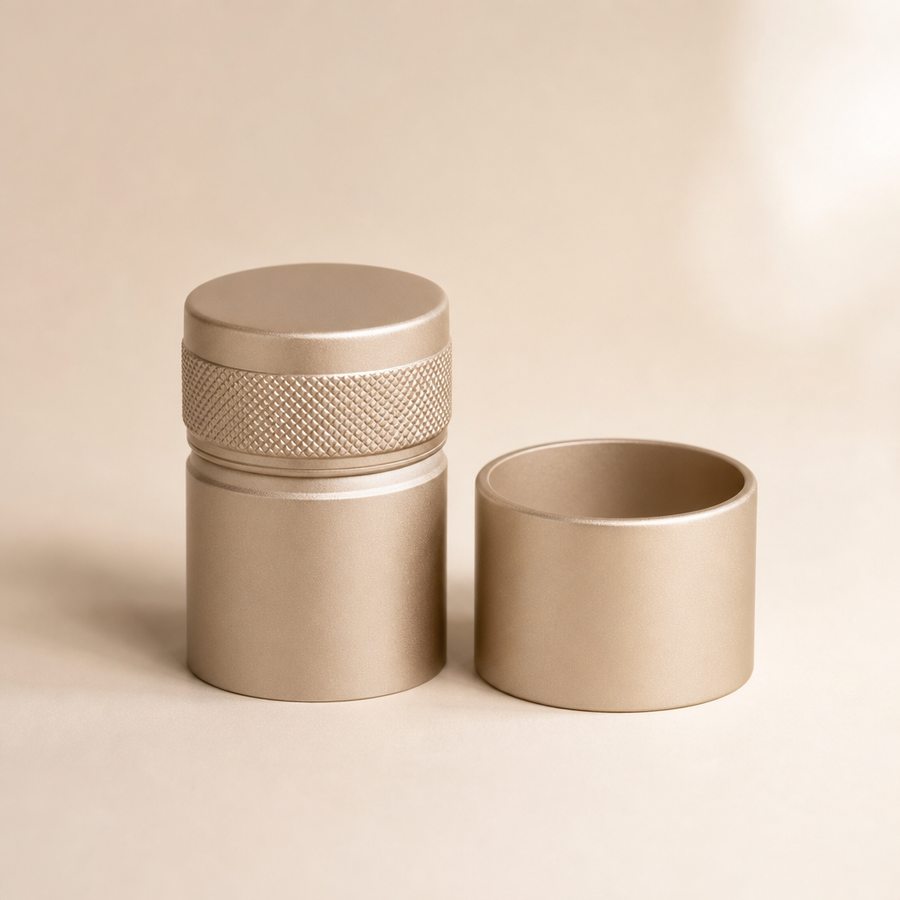
What casting changes
Everything you polish into the master comes back on the part — including the mistakes. That is why the master is where the money goes, and why a cast part can look like it came out of a steel tool.
Casting or moulding
| Parameter | Silicone casting | Injection moulding |
|---|---|---|
| Tooling cost | A few hundred dollars | Eight to forty thousand |
| Tool lead time | 3–5 days | 4–8 weeks |
| Economic quantity | 10–500 parts | Above roughly 1,000 |
| Material choice | PU only | Any thermoplastic |
| Tolerance | ±0.15 mm / 100 mm | ±0.05 mm typical |
| Design changes | Cheap until part 25 | New tool or a slide |
Questions
A well-made block gives 15–25 shots. After that the cut line opens and dimensions drift slightly, which shows up first on tight bores and parting lines. If you need 300 parts we plan two or three blocks from the start rather than discovering the drift at part 30.
Up to roughly 800 × 600 × 500 mm inside our vacuum chambers. Above that the silicone block becomes heavy and the vacuum pull less even, so large parts are usually split into sections and bonded.
Silicone and PU both shrink on cure, typically 0.2–0.6% depending on the resin. We compensate the master for the known shrink of the grade we are running, which is why the first article normally lands on dimension rather than under it.
Yes and it is common: a printed bracket, a cast cover and a machined insert in the same shipment. It arrives as one invoice and one inspection report, and the fit between the three parts is checked here rather than at your assembly bench.
Capability figures reviewed 11 月 2026.
